

When we study the architecture of a modern online casino, the live dealer segment always appears as the bridge between digital convenience and the tangible atmosphere of a brick-and-mortar floor. At casino betplay machines à sous populaires, this experience is not just a camera pointed at a table; it is a meticulously arranged production layer that merges broadcast technology, game-control units, and trained human croupiers into a seamless interface. The core premise is simple: instead of trusting a Random Number Generator to determine a virtual outcome, a real dealer manipulates physical cards, spins an actual roulette wheel, or draws numbered balls from a genuine hopper. We note that this mechanism addresses a fundamental psychological need for transparency, as every shuffle and spin is confirmable by the naked eye. The streaming infrastructure maintains synchronization between the physical event and the digital betting interface we see on screen, typically processing wagers within a defined acceptance window before the dealer closes the round. For players in France accessing Betplay Casino, this format transforms a solitary screen session into a socially responsive event, where chat functions and multi-angle cameras reproduce the rhythm of a land-based session without the travel.
Browsing the Game Categories in the Live Lobby
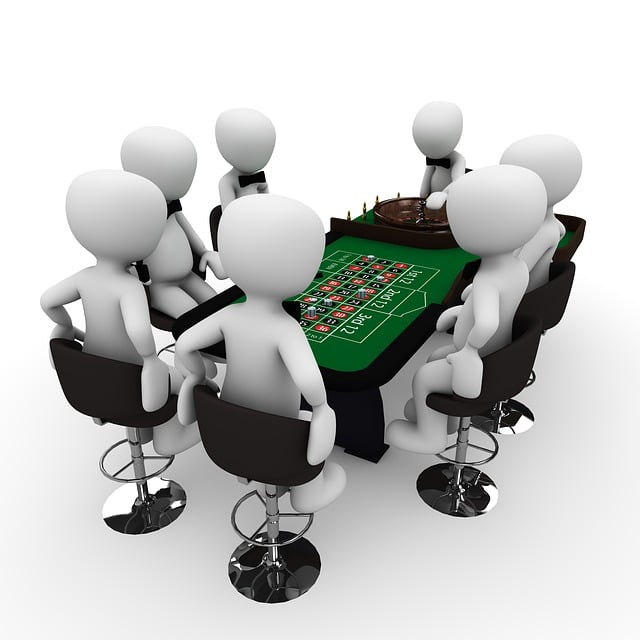
When we access the live casino segment, the lobby organizes games into distinct verticals to optimize our selection, and comprehending the nuances of each prevents us from defaulting to the familiar without considering higher-return variants. The first pillar is classic Live Blackjack, where standard rules usually apply but the seating arrangement differs because it runs on an infinite-seat model; an unlimited number of players can take part in the same hand, all obtaining identical initial two cards while making independent decisions on hitting, standing, or doubling. We observe that certain tables are reserved for specific rule permutations, such as early payout options where the system presents a theoretical cash-out value based on the current hand strength against the dealer’s upcard, a feature that attracts to French players who favor mathematical control over raw luck. Side-bet insurance modules, like Perfect Pairs or 21+3, are usually integrated as clickable digital overlays on the interface, resolved independently from the main hand so we can forfeit the main bet but still gather a side-bet payout if our first two cards make a suited pair.

Roulette constitutes the second major pillar, and we notice that beyond the standard single-zero European wheel, there are often immersive and speed variants. Immersive Roulette employs a specialized camera rig that shifts into a cinematic slow-motion replay of the ball landing, which introduces a visual drama but does not alter the return-to-player percentage. Auto-Roulette, in contrast, eliminates the human dealer physically spinning the wheel, relying on a mechanical air-blown or motorized wheel operating on a continuous cycle, providing up to 80 spins per hour. For those who value high volatility, we also locate several game-show hybrids that fuse wheel-of-fortune mechanics with multiplier segments, where a human presenter turns a vertical money wheel while a random multiplier slot sets the payout amplification in real time. Baccarat tables are generally separated into standard speed and “Speed Baccarat” rooms, where the latter shortens the card-squeeze ritual to an absolute minimum to speed up the shoe turnover. We advise checking the info tab in each table to verify the house edge percentage, as minor rule differences, like the payout ratio on a Tie bet or the number of decks in a shoe, can change the statistical disadvantage by several basis points.
The Technical Framework Underpinning the Stream
We must analyze the transmission chain to grasp what separates a high-end live lobby from a lagging feed, as the technical backbone directly dictates whether a session appears immersive or frustrating. The experience commences in a specialized studio facility, often purpose-built with controlled acoustics and lighting arrays that eliminate shadows on the felt, ensuring OCR (Optical Character Recognition) sensors can scan every card symbol without error. Multiple high-definition cameras focus on the table from distinct angles, and sophisticated middleware transforms these feeds into a compressed data stream that moves to our device in real time. We recognize that adaptive bitrate technology is critical here; when a home connection fluctuates in Paris or Lyon, the platform automatically modulates the video resolution from 1080p down to a lower quality rather than buffering and freezing at a critical moment when the dealer exposes a blackjack hand. Beyond the video, a Game Control Unit (GCU) converts the physical outcomes into digital data. Each card has a microchip or barcode, and the shoe scans these values instantly, pushing the information into the user interface so that our screen displays “Queen of Hearts” exactly as the dealer places it on the table. This dual-layer verification means even if the video feed drops for a second, the back-end data validates the result, preventing disputes.
Audio production within these studios is just as intentional, as we have noted how directional microphones capture the crisp snap of a dealt card or the clatter of a roulette ball against the metal frets, sounds that would be lost in a standard webcam setup. The ambient noise floor is kept exceptionally quiet, allowing the croupier’s voice to arrive with broadcast-level clarity. In many setups, there is also a dedicated game presenter who manages the pace and interacts with the digital audience, distinct from the pit boss or dealer who handles the mechanics. For us at Betplay Casino, this means the stream is not just a passive window; it provides interactive menus where we can adjust the volume mix, zoom into the wheel via a close-up camera, or toggle a view that fills the entire screen with the table layout. The latency between the physical action and our mobile screen is usually kept below one second through direct satellite or fiber links, a metric that becomes intensely relevant when we consider “last-second betting,” a feature that allows wagering eurosport.com right up until the croupier announces “no more bets” and the software locks the interface, thereby eliminating the risk of wagers accepted after the outcome is physically determined.
Understanding the Dealer Communication and Social Etiquette
Live chat functionality changes a numerical betting exercise into a communal experience, and we have studied how the communication flow maintains etiquette while personalizing the digital interface. A text input field is located adjacent to the stream, enabling typed messages to show up in a shared log accessible to the dealer and, according to the room settings, to other seated players. The croupier typically responds verbally during procedure lulls, such as while shuffled cards are being loaded or during the payout phase; they will not break focus to answer a question when they are dealing a critical card. This creates a natural rhythm where we can confirm a win, compliment a fellow player on a lucky side bet, or request a specific camera angle without disrupting the game’s integrity. Most rooms utilize a dedicated chat moderator or game presenter who screens abusive language and addresses generic queries about game rules, permitting the dealer to center on the physical mechanics. We have observed that professional studios train dealers in English, but many also support French-speaking tables, and at Betplay Casino, the lobby commonly flags which tables feature native French croupiers so we can select a linguistic environment where the nuance of a joking remark or a technical explanation is fully comprehended.
From an etiquette standpoint, the platform anticipates interactions to remain respectful, and the terms of service explicitly enable the operator to mute or ban users who spam the chat or harass the dealer. We view this layer of moderation vital for maintaining the elegance of a live setting. Beyond typing, some tables feature real-time reaction emojis that show small animated icons on the screen—applause, a thumbs-up, or a laughing emoji—providing a non-verbal way to join in the group’s mood. When we examine the psychological impact, this social mirroring often lengthens our session duration, as a responsive table seems more engaging than a silent RNG-based slot. However, we should be mindful that the live chat is monitored and stored for compliance purposes, meaning any discussion of personal financial details or suspicious commentary is identified by automated keyword filters and examined by a compliance team, preserving both regulatory standards and a safe environment for all participants.
Mobile Optimization and Seamless Device Transition
Using a live dealer table on a handheld screen introduces specific design challenges that the platform has to resolve to maintain the tactile connection we experience on a desktop, and we have assessed how Betplay Casino adapts the interface for smaller glass surfaces. The native mobile layout rearranges the components vertically, situating the HD stream in the upper half of the screen while the betting grid and chip rack fill the lower half, ensuring our thumb can effortlessly toggle between stake selection and the “Deal” or “Place Bet” confirmation button. Because screen real estate is limited, the multi-angle camera selector often condenses into a swipeable carousel, allowing us flick between the wide-angle booth shot, a dedicated wheel-close-up, and a view of the dealer’s hands without accessing a sub-menu that obstructs the action. We have noticed that the platform preserves the live chat functionality in a collapsible drawer that does not overlay the bet buttons, a subtlety overlooked by many competitors that accidentally trigger mis-taps during high-pressure betting windows. Battery consumption is a genuine concern during extended mobile play; the constant high-resolution stream and active touch inputs can deplete a device faster than RNG slot animations, so we advise keeping a charger nearby or enabling low-power mode, though this may somewhat degrade the adaptive bitrate and visual sharpness.
Cross-device continuity offers another layer of convenience that many French players value highly when shifting from a laptop at home to a phone during a commute. Our account balance, loyalty points, and live bet history update in near-real-time across devices, provided we use the same login credentials. If we are mid-hand in a live blackjack round on the desktop and the connection drops, we can seamlessly reconnect via the mobile app; the system monitors our outstanding wager and puts us straight into the incomplete hand, preserving the exact cards and bet status rather than voiding the stake. This persistence depends on a server-side hand ID that tracks every decision. Interestingly, the mobile interface also includes picture-in-picture mode on compatible tablets and smartphones, letting us shrink the live stream into a floating window while we explore other sections of the site or check our account statements. For those who appreciate discretion, the mobile version generally supports a portrait-mode lock, and we find that wearing a single earbud offers the immersive audio of the dealer’s patter and the chip riffle without broadcasting the casino sounds in a public setting.
Regulation, Fairness Testing, and Player Protection Tools
No amount of production quality matters if the legal framework is absent, so we closely scrutinize the licensing body and the fairness verification protocols that govern the live-streamed output. A reputable live dealer platform does not depend on faith in honest dealing; it exposes every component to third-party testing. The studio’s deck shuffling methods are frequently audited by institutions such as iTech Labs or economie.gouv.fr Gaming Laboratories International (GLI), who validate that the shoe decks are properly randomized before the continuous shuffle machines activate and that no forecastable pattern can be taken advantage of. The Return to Player (RTP) figures displayed for each live table are not aspirational marketing figures but statistical models validated over millions of recorded rounds. In the configuration menu of a live game at Betplay Casino, we can typically access the game history and a full breakdown of recent outcomes, but the comprehensive RTP audit report is generally available directly from the game provider’s certification page, with the operator pointing to this information somewhere in its footer or responsible gaming portal. The operator itself maintains a license from a acknowledged gambling jurisdiction, which enforces segregation of player funds, meaning our deposits are held in safeguarded accounts separate from operational capital, protecting them in the event of bankruptcy.
The integrated responsible gaming framework carry comparable significance in our evaluation, because a live dealer session’s fast tempo may speed up losses faster than we might perceive. The platform offers us a suite of configurable controls reachable through our account dashboard: deposit limits that we are able to establish on a daily, weekly, or monthly basis, with immediate downward adjustments executed in real time. Loss limits cap the net amount we can lose across live products in a single session, while wager limits prevent us from staking more than a defined sum per spin or hand. A reality-check pop-up emerges at selectable intervals—every 30, 60, or 90 minutes—displaying the session duration, net position, and giving a single-tap option to view our detailed transaction history or exit to the lobby. We particularly appreciate the timeout and self-exclusion mechanisms, which may be triggered directly from the live interface’s sidebar; a 24-hour cooling-off period secures the account instantly with no reversal permitted, and the longer self-exclusion options (from one week to permanent) are processed in accordance with the licensing authority’s central exclusion register, blocking us from simply opening a secondary account across affiliated brands. For French players, these tools are not optional add-ons but regulatory requirements mandated by the operator’s interactive gaming license, and the live platform integrates them without disrupting the elegantly designed gameplay flow.
The Genuine Ambiance Versus Electronic Performance
We often find ourselves evaluating the psychological trade-off between the enhanced authenticity of a human-dealt game and the quickness edge of a purely automated table, and the live format takes up a carefully designed middle ground. A physical dealer shuffling eight decks at a live blackjack table generates roughly 60 to 80 hands per hour, whereas a traditional RNG table can deliver 200 or more in the same window. This slower cadence acts as a natural brake on impulsive betting velocity, offering us time to monitor the shoe’s ebb and flow before allocating chips. The sensory cues—the felt texture under the dealer’s hands, the metallic spin of the roulette rotor, the audible snap as the cut card is placed—activate a cognitive engagement that using a computerized animation simply cannot replicate. We understand that this authenticity reduces the suspicion some players maintain toward algorithm-driven outcomes, because a human error, like a dropped card or a ball that escapes the wheel, is handled transparently with a “no-spin” declaration, confirming that the process is authentic and unscripted.
However, the live environment also introduces variables that a digital game omits by design. If a dealer makes a manual payout mistake, the pit boss intervenes, the round is paused, and the correction is broadcast openly—this creates trust but consumes time. Meanwhile, the reliance on a streaming feed means our experience relies on the studio’s server uptime and our own ISP stability; a network hiccup during a double-down hand can produce a moment of acute anxiety, although the round resolution engine ensures the hand concludes even if our vision of it blacks out momentarily. We appreciate that this format allows for personalized dealer interaction that adapts to the table’s mood; a charismatic croupier can elevate a losing streak by acknowledging the bad luck and maintaining the chatter light, whereas a silent RNG offers only mathematical continuation. For us at Betplay Casino, the live lobby represents a deliberate choice for an evening where the craft of the game is important as much as the outcome, where the journey through the shoe feels substantive rather than transactional. This balance of palpable risk, social presence, and optical verification determines why the live experience has evolved from a novelty into the centerpiece of a sophisticated online casino platform, appealing to the French player who looks for both aesthetic pleasure and rigorous regulatory protection in a single, unified screen.
Payment Integration and Depositing for a Live Session
We need to connect the payment method to the live experience, since no hand of live blackjack begins until our betting balance shows available funds, and the speed of this transfer dictates whether we join the next shoe or skip the action entirely. Betplay Casino generally incorporates a cashier module that loads as an overlay without requiring us to exit the live lobby, meaning we can deposit while the stream keeps playing in a minimized window. The payment methods typically available include standard Visa and Mastercard debit options, which process leads instantly but may trigger a pending authorization check from our French bank, taking seconds rather than minutes. E-wallet solutions such as Skrill and Neteller offer even faster confirmation, often instantly crediting the account the moment the transaction passes their gateway, which is essential when we aim to top up between roulette spins. We have observed that many players ignore prepaid voucher systems like Paysafecard, which give an anonymous layer and are widely found at tabacs across France; the pin-based voucher deposits instantly but needs careful management of multiple receipts if our balance drops mid-session.
Staking Rules, Restrictions, and Live Decision-Making
Making a bet in a streamed gaming arena includes a time limit not found in typical virtual table offerings, and we have mapped out exactly how the interface leads us from chip selection to confirmation inside the betting window. As we enter a table, whether during an active game or between rounds, the screen visibly counts down the seconds remaining until the dealer calls “no more bets.” In Live Blackjack, this betting window generally runs between 10 and 20 seconds, while dedicated high-roller tables may lengthen this a bit to handle larger chip stacks. During this interval, a graphical layout of the table appears on our screen with assigned betting zones; we just touch the chip denomination from the rack—often ranging from low-value coins to high-denomination plaques—and then tap the felt area. Crucially, the software snaps each chip to its proper position, stopping us from placing a bet on a phantom split or a completed side-bet zone after the clock expires. If the countdown arrives at zero before we confirm, the interface automatically rejects the pending wager and the chips return to our bankroll, a protective mechanism that prevents a late bet from being accepted after the physical outcome is already underway.
For more complex wagers, we are often presented with a “racetrack” overlay in roulette or a comprehensive announced-bet menu that arranges neighbor bets in a visual format. This is particularly relevant for French players acquainted with classic call bets like Voisins du Zéro, Tiers du Cylindre, and Orphelins. We simply tap the racetrack graphic, and the system instantly allocates the proper quantity of chips across the physical layout numbers with mathematical precision. In the same way, in baccarat, the interface visibly separates Player, Banker, and Tie zones, frequently color-labeled and tagged in our preferred language. Each table displays the minimum and maximum limits before we sit down, and these values adjust automatically based on the seat we occupy; a regular open blackjack table may take wagers from €1 to €500, while a specialist VIP room could fix the floor at €250. We need to always verify the “Table Limits” information panel because seeking to put down a wager below the threshold results in an immediate error message, and raising our bet mid-shoe in certain proprietary variations may be limited once the shoe has commenced dealing.