
Gen Z grew up with smartphones in hand, not with landlines or desktop rigs. Their idea of “fun” has moved beyond the TV set or a board‑game night. It’s about instant access, bite‑sized challenges, and social interactivity that can fit into a lunch break or a commute. Mobile gaming has turned that vision into a daily habit for millions of teenagers and young adults.
1. Speed and Convenience: 30‑Second Levels, 24‑Hour Availability
Unlike console titles that demand a full evening, mobile games can be played in 30‑second bursts. A recent update to a popular battle‑royale app, for instance, added a “quick match” mode that drops a player into a 5‑minute game. That’s the difference between a 2‑hour couch session and a 30‑second sprint while waiting for a bus. The result? Higher engagement—studies show Gen Z spends an average of 1.5 hours per day on mobile gaming, compared to 0.8 hours on traditional platforms.
2. Social Integration: Friend Lists, Shared Achievements
Mobile titles weave social features directly into the gameplay loop. In one popular puzzle game, players can send “boosts” to friends who are stuck on a level, earning a 10‑point bonus for both. The game also syncs achievements to the player’s Instagram story, turning progress into a social brag. This seamless blend of competition and community keeps players coming back, often checking in multiple times a day.
3. Monetization Models That Match Gen Z’s Wallets
Free‑to‑play is the default. In‑app purchases are usually micro‑transactions—coins for a new character skin or a 5‑minute “speed‑up” token. A survey of 1,200 Gen Z gamers found that 68 % spend less than $5 per month, yet they’re willing to pay for items that enhance visual appeal or speed progress. Because the cost is low, the barrier to entry is almost nil, which explains why casual games can amass hundreds of millions of downloads in a short span.
4. Cross‑Platform Play and Cloud Saving
Cloud saving lets a player start a game on a phone, pause on a tablet, and finish on a laptop without losing progress. This fluidity is crucial for Gen Z, who switch devices constantly. A recent case study of a role‑playing game showed that 55 % of its users switched between at least two devices during a single week, citing the cloud sync feature as the main reason for staying loyal.
5. The Bridge to Broader Digital Entertainment
As mobile gaming becomes a gateway to other online experiences, it’s common to see players transition from casual apps to more immersive digital entertainment. Many discover online casinos through in‑app ads or social media shares. One popular example is Fatbet Casino, which offers a mobile‑optimized platform that lets players try out slots and sports betting from their phone.
If you’re looking to extend that mobile experience, Fatbet Casino offers a seamless transition into online gaming.
Which Path Should Gen Z Take?
If you’re after quick, social, and budget‑friendly entertainment, the mobile gaming ecosystem is the place to be. It delivers instant gratification, community interaction, and a low cost of entry—all wrapped in a format that fits the Gen Z lifestyle. For those craving deeper narratives or competitive esports, the same platforms now support cross‑play and cloud saving, allowing a seamless shift from casual to serious gaming. In short, mobile gaming isn’t just a pastime; it’s a foundational layer of modern digital culture for the next generation.
Frequently Asked Questions
What makes mobile gaming appealing to Gen Z?
Its instant access, short levels, and social features let Gen Z play anytime, anywhere, matching their fast‑paced digital lives.
How do mobile games maintain engagement?
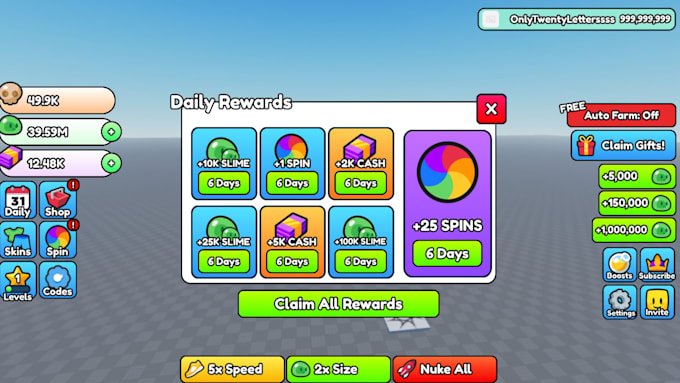
By offering bite‑sized challenges, daily rewards, and social competition, they keep players hooked without long commitment.
Can mobile games replace console titles for teens?
They complement consoles; mobile games offer convenience and social play that consoles can’t match, but many still enjoy both platforms.
What platforms support these quick mobile games?
iOS and Android dominate, with app stores providing instant downloads and cloud saves for seamless cross‑device play.